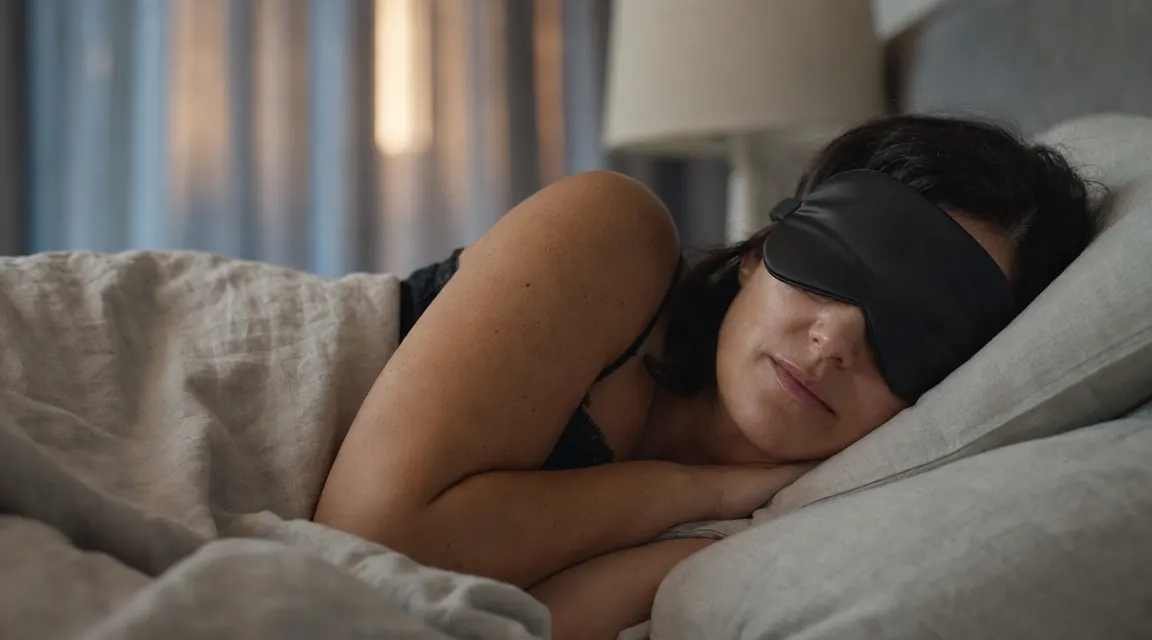
I spent the better part of my 30s convinced my sleep problem was a stress problem. I tried magnesium, sleepy-time tea, a weighted blanket, three different white noise machines, and a very expensive meditation app. None of it fixed the thing I had not thought to examine: my bedroom was never actually dark. A streetlight outside. The router blinking on the dresser. My husband's phone charging on the nightstand. All of it added up to a constant low-level light exposure that was quietly sabotaging my melatonin production every single night. A contoured blackout sleep mask fixed what four years of trying other things could not. If you are wondering whether a sleep mask is worth it, here are 10 reasons the answer is yes.
If light is the reason you are not sleeping deeply, this is the fastest fix you can buy tonight.
The MyHalos 3D contoured mask has 20,351 ratings, a 4.7-star average, and a zero-pressure design that does not press on your eyes. At under $10, it is the lowest-cost sleep upgrade I have found that actually moves the needle.
Amazon Check Today's Price on Amazon →Total Darkness Triggers a Melatonin Surge
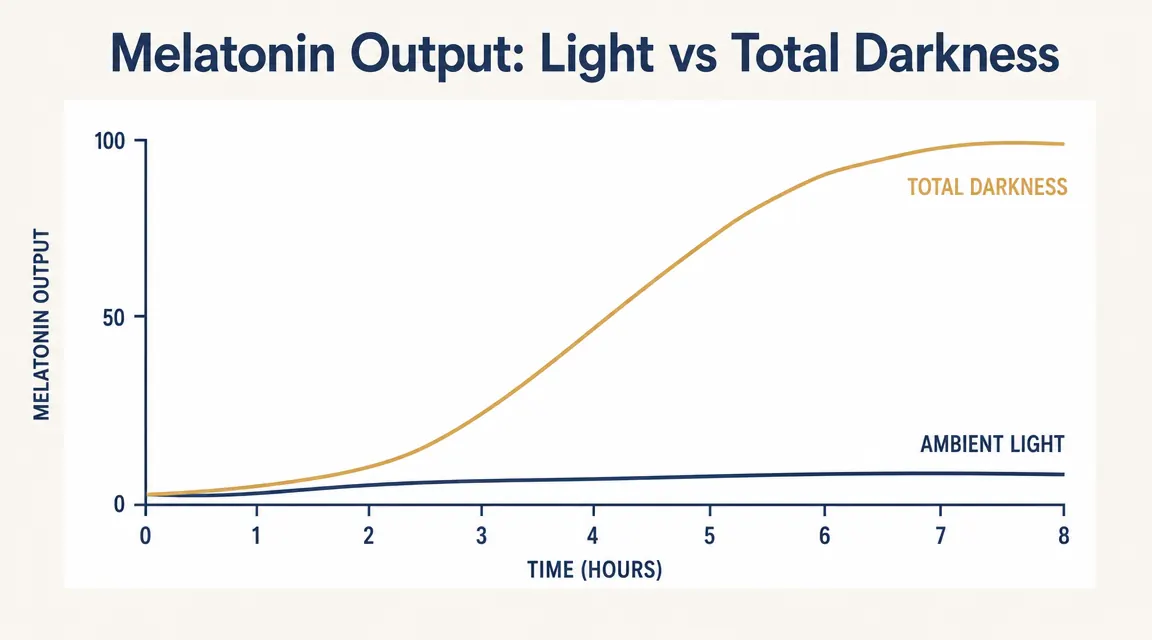
Your brain releases melatonin in response to darkness, not to a clock. Even low-level ambient light, the kind you barely notice, suppresses melatonin production and delays your sleep onset. Research from Harvard's Division of Sleep Medicine found that room light before bed suppressed melatonin by more than 50 percent compared to dim light. A blackout mask creates the darkness signal your brain needs to start the sleep cascade, regardless of what is happening outside your window.
It Pushes You Into Deep Slow-Wave Sleep Faster
Slow-wave sleep, the restorative stage where your body repairs tissue and consolidates memory, is heavily influenced by melatonin levels and circadian timing. When light keeps melatonin suppressed, you cycle through lighter stages instead of descending into the deeper ones. Blocking light from the very moment you close your eyes accelerates that descent. The difference is not subtle. If you have ever woken up after what felt like a full night and still felt tired, shallow sleep cycling is often the reason.
A Contoured Design Means No Pressure on Your Eyes
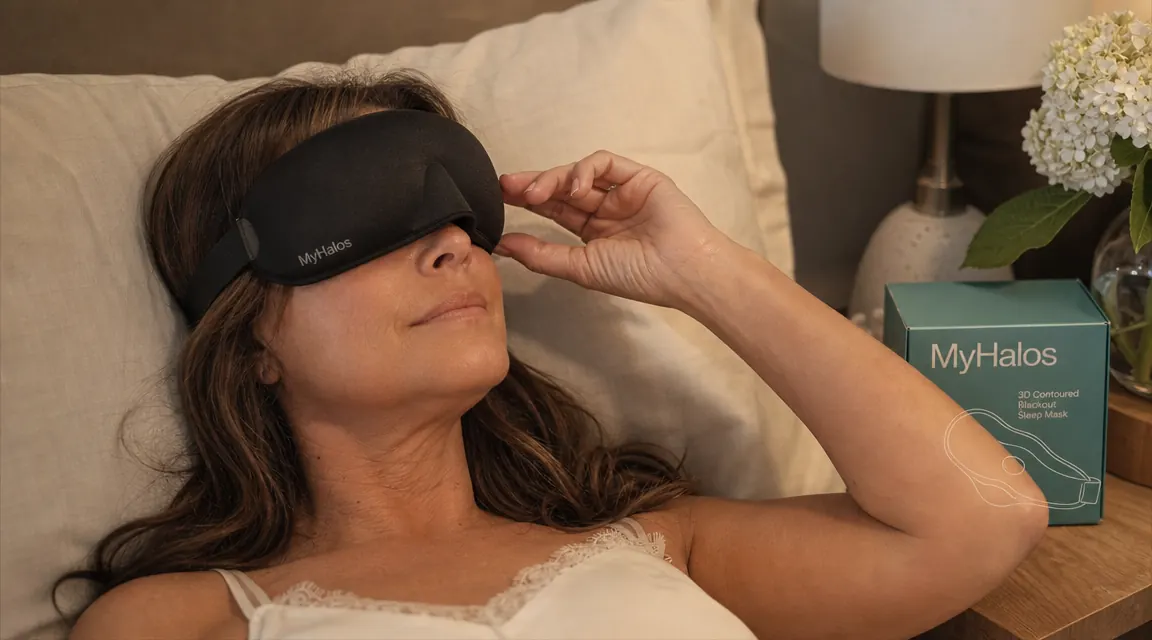
Flat sleep masks press directly on your eyelids. Most people tolerate this for a while and then stop using the mask because it becomes uncomfortable or disturbs their vision. The MyHalos uses 3D molded cups that sit away from your eyes entirely, creating a zero-pressure cavity. This matters because eye pressure during sleep can interrupt REM cycles and leave you with that vaguely compressed feeling in the morning. The contoured shape removes that variable.
It Works for Side Sleepers Without Slipping
This was my personal sticking point with cheaper masks. I sleep on my side and every flat foam mask I tried either slid off my face by 2am or bunched against the pillow in a way that let light in along the nose bridge. The MyHalos has an adjustable strap and a seal that holds its shape even when you roll. I have woken up with it still in position after eight hours. For side sleepers, that fit reliability is the whole game.
It Cuts Out Blue Light Exposure Right Before Sleep Onset
Blue light from screens suppresses melatonin more aggressively than other wavelengths. If you read on your phone in bed and then try to sleep, your brain is still processing that signal for 20 to 30 minutes after you put the phone down. A blackout mask creates an immediate hard cutoff the moment you put it on. You are telling your nervous system: lights off, for real this time. That clear signal accelerates sleep onset in a way that simply dimming your screen does not.
It Extends Your Sleep Window When Morning Light Arrives Early
In spring and summer, or if you have east-facing windows, dawn light starts hitting your bedroom anywhere from 5am to 6am. Your body reads that as a wake signal and begins ramping up cortisol to pull you out of sleep, even when your alarm is not until 7. A blackout mask gives you those extra 60 to 90 minutes of sleep that early sunrise would otherwise steal. For people who describe themselves as light sleepers in the morning, this reason alone usually justifies the mask.
The Memory Foam Strap Does Not Leave Marks or Wake You Up
Elastic straps on budget masks can dig in overnight, leaving indentations across your forehead and temples when you wake up. More importantly, that pressure can register as mild discomfort during sleep and pull you into lighter stages. The MyHalos strap is padded with memory foam that distributes pressure evenly. After 60 nights of wearing it, I have not once woken up with strap marks or that particular elastic-headband headache.
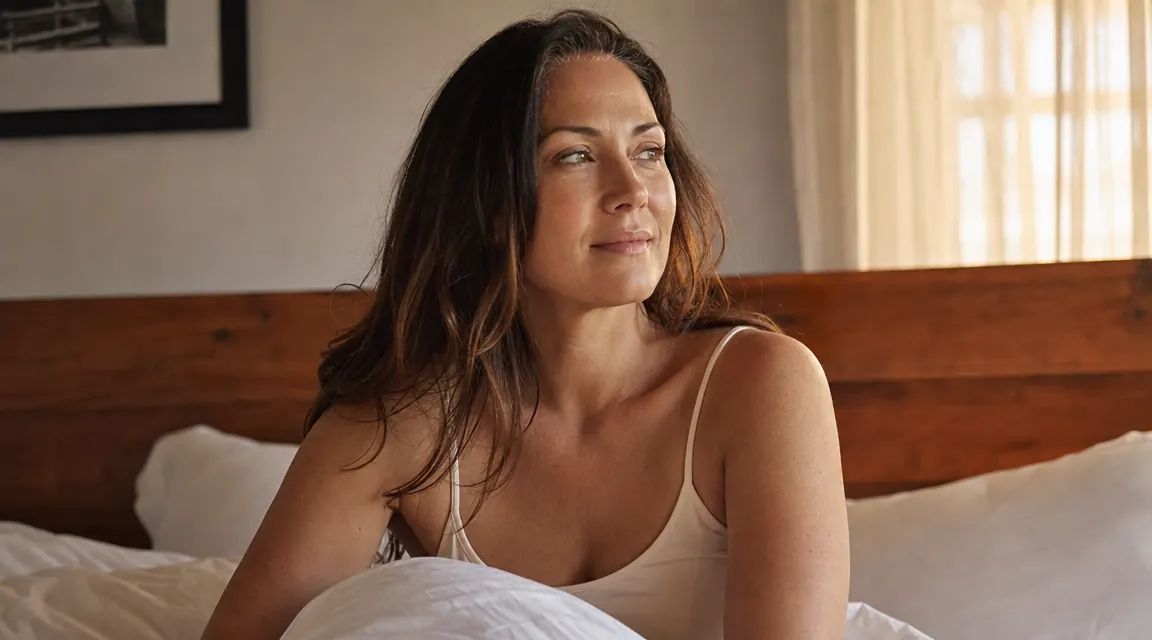
It Reduces How Often You Wake in the Night
Most middle-of-the-night wake-ups are not random. They coincide with light level shifts, a passing car's headlights, the bathroom light going on in the hallway, a phone screen brightening on a partner's side of the bed. All of those micro-light events can pull a light sleeper from stage 3 or REM back toward waking. A total blackout mask removes that entire category of disruption. I went from waking two to three times a night to waking once or not at all within the first two weeks of using it consistently.
It Makes Napping Actually Restorative
A 20-minute nap in a bright room is mostly theater. Your brain knows it is daytime, melatonin stays low, and you come out of it feeling groggy rather than refreshed. The same 20-minute nap with a blackout mask creates a real darkness cue, allowing a genuine sleep cycle to initiate. If you have ever said you are not a napper, try one with total darkness before writing it off. The mask changes the physiological equation.
It Is the Lowest-Cost Sleep Intervention With Measurable Results
Sleep trackers, blackout curtains, new mattresses, supplements, apps. I have tried or reviewed most of them. Blackout curtains run $60 to $150 and do not travel with you. A quality sleep mask costs under $10 and goes in your carry-on. The MyHalos specifically sits at a price point where the cost of trying it is genuinely negligible compared to another restless night. If it does not work for you, the loss is trivial. In my experience, and based on over 20,000 reviews saying the same thing, it usually does work.
What I'd Skip
The one type of sleep mask I would steer clear of is any flat foam style that advertises itself primarily as a travel mask. They are fine for a redeye flight where you are mostly upright. For actual nightly sleep, the flat design presses on your eyes, slides off your face when you roll, and tends to let light in along the nose bridge no matter how you adjust it. If you have tried a sleep mask once and decided they are not for you, there is a good chance it was a flat mask. The contoured 3D design is a meaningfully different product.
I went from waking two or three times a night to waking once or not at all within the first two weeks. Not because anything else changed. Because my bedroom was finally, actually dark.
If you want the full long-term picture on the MyHalos specifically, including how it held up after four months of nightly use and what surprised me about the side-sleeper fit, I wrote that up in detail in my MyHalos sleep mask long-term review. And if your situation is more acute, if you are lying awake at 3am because of light coming in from the hallway or a partner's phone, the personal account in how I finally slept through the night might be the more useful read.
Still waking up at 3am? Your bedroom is probably not as dark as you think it is.
The MyHalos 3D blackout mask eliminates every ambient light source the moment you put it on. 4.7 stars across 20,351 reviews, zero-pressure eye cups, and an adjustable strap that stays put all night. It is the simplest change I have made to my sleep routine and it had the biggest effect.
Amazon Check Today's Price on Amazon →